Sabilurrosyad Mosque: Traces of Islamic Heritage Before the Mataram Islamic Era

kelanawisata/contributors
|
03 September 2026
|
19x Dilihat
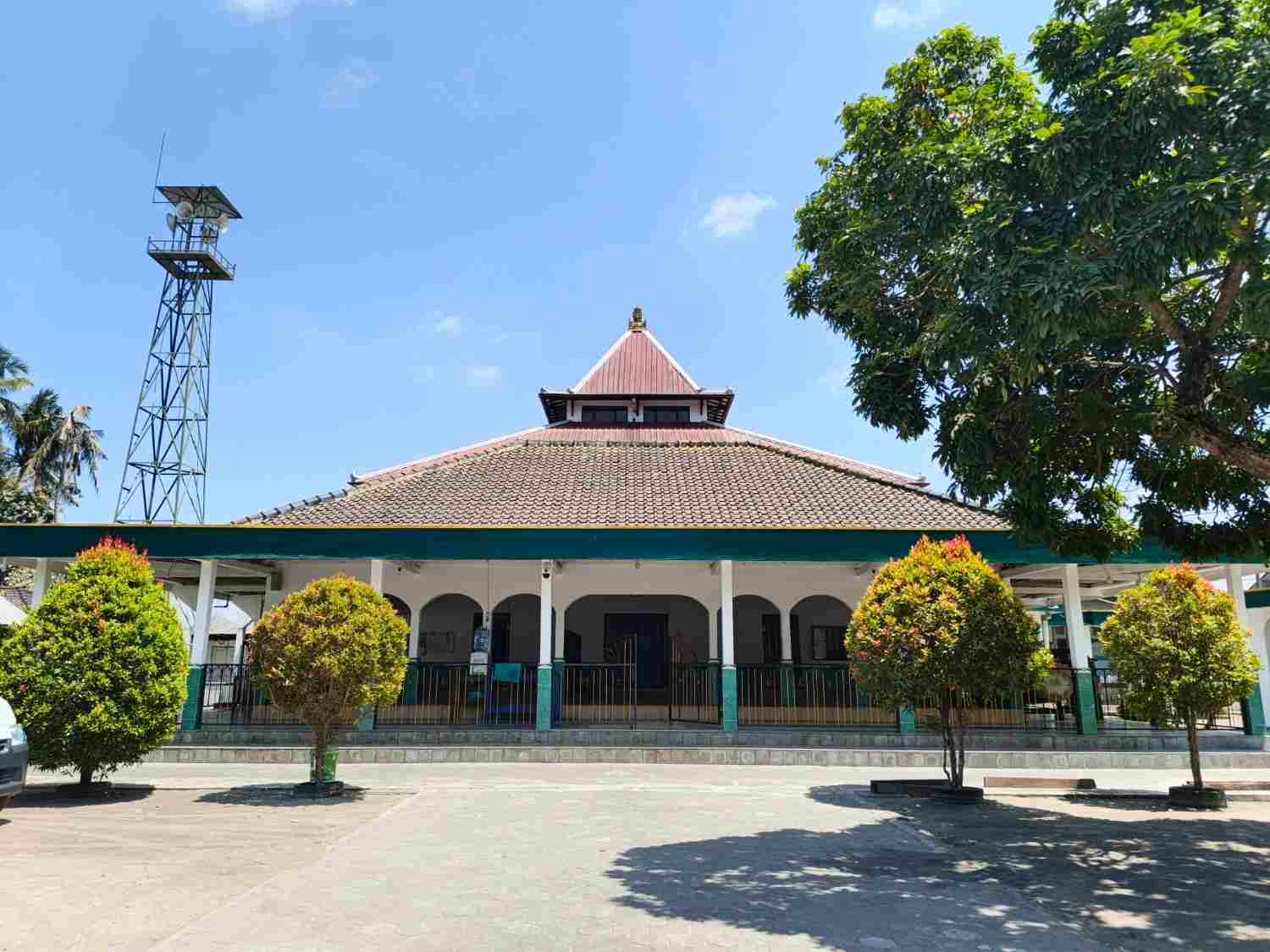
Kelanawisata.id, Bantul - The Sabilurrosyad Mosque was formerly known as the Kauman Mosque. This mosque is one of the historic and iconic mosques located in Kauman Hamlet, Wijirejo, Pandak, Bantul, Yogyakarta. At first glance, there seems to be nothing special about the architecture of the Sabilurrosyad Mosque. However, behind it lies a history that we, as Muslims, need to know—the story of the scholars who spread the religion.
This mosque is believed to have been first built in 1485 CE. The Sabilurrosyad Mosque is not only a center of worship but also a historical relic of the spread of Islam. Raden Trenggono, also known as Panembahan Bodho, was the great-grandson of King Brawijaya V and a student of Sunan Kalijaga, who had previously spread Islam in the Pandak Bantul area.
He earned the title “Panembahan Bodho” when he refused to succeed his father as the Adipati (Duke) of Terung. He set aside matters of power and personal interests, choosing instead to spread the teachings of Islam. It was this attitude that earned Raden Trenggono the nickname Panembahan Bodho (derived from the word “bodoh,” meaning “foolish”). Nevertheless, he accepted the nickname humbly because, to him, worldly matters were no more important than matters of the afterlife.
Panembahan Bodho was then tasked with traveling throughout Mataram to spread Islam and build a mosque in the village of Kauman, Wijirejo. The legacy of the Sabiilurrosyaad Mosque reflects Raden Trenggono’s cultural approach to spreading Islam.
Watu Gilang, a traditional stone once used as a footrest during wudu, has been preserved as a gesture of tolerance toward Hindu heritage and the Hindu community. In addition, there is the Jam Bancet or Jam Istiwak, a sundial that uses the shadow cast by a nail in the center of the device to determine the time.
This instrument is used for astronomy, determining the times of the five daily prayers, forecasting the weather, and verifying the accuracy of conventional clocks. The length of the nail, as well as the dimensions of the block, body, and plate, are governed by specific rules and formulas that form the basis for these calculations.
Furthermore, there is a tradition that has survived to this day: the serving of vegetable lodeh porridge as a pre-dawn snack. The tradition of serving vegetable lodeh porridge when Ramadan arrives has become a symbol in its own right. Its soft texture and ease of digestion reflect the philosophy behind the spread of Islam—one full of gentleness and easily accepted by the community.


