The Echoes of the Sekati Gamelan at Mesjid Gedhe Kauman: Reviving the Tradition of Spreading Islam in Yogyakarta

Kelanawisata/frm
|
22 Agustus 2026
|
183x Dilihat
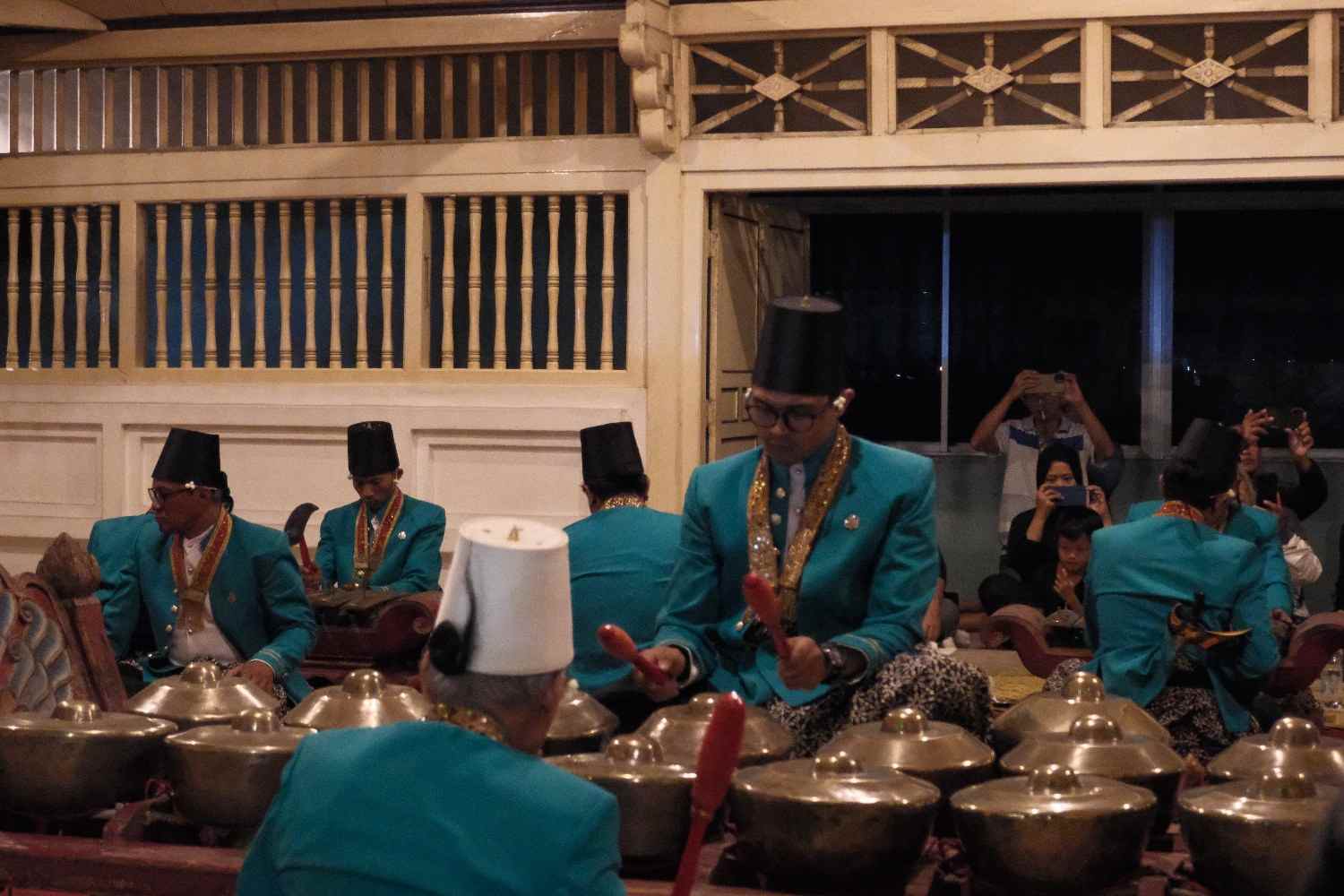
Kelanawisata.id, Yogyakarta — A solemn atmosphere enveloped the Plataran of the Mesjid Gedhe Kauman as the chimes of the heirloom gamelan began to fill the air in Yogyakarta. Amid the wispy smoke from street vendors and the low murmur of visitors, the two Pagongan buildings became the main focal point for thousands of residents who came to celebrate the birth of the Prophet Muhammad SAW through the Sekaten tradition in the year Be 1960 or 1448 Hijri.
This tradition is scheduled to take place over a full week, from August 19 to 25, 2026. The main focus is on Pagongan Lor and Kidul, where the Abdi Dalem of the Ngayogyakarta Hadiningrat Palace carry out their sacred duty of taking turns playing the gamelan. The melodies emanating from these bronze bars are not merely music, but the official signal marking the start of the Sekaten celebrations, a tradition passed down through generations.
Harmony of Heritage in Pagongan
Two legendary gamelan sets, Kyai Guntur Madu and Kyai Nagawilaga, serve as the main instruments in this procession. The performances take place periodically from morning through afternoon, evening, and into the night. Thousands of pairs of ears listen intently to every rhythm produced, creating a deeply spiritual atmosphere in this cultural heritage site. The massive crowds that gather every night prove that the appeal of this cultural tradition remains strong amid the tide of modernity.
For the Javanese people, particularly in Yogyakarta, the significance of Sekaten is often compared to that of other major holidays. Mas Jajar Yuda Kawindra, Lumaksana Carik of the Keprajuritan Subdistrict, explained just how deeply meaningful this celebration is to the residents. According to him, the Mulud celebration sometimes feels more significant than Eid al-Fitr, leading to the emergence of the term “Bakdan Mulud” as a form of reverence for the birth of the Prophet.
Dawah Islam and Local Cuisine
History records that Sekaten has served as an effective means of spreading and preaching Islam since the era of Sultan Agung. Mesjid Gedhe Kauman serves as a gathering place for the community, where religious teachings are conveyed through a subtle cultural approach. Amid the religious rituals, visitors are treated to a variety of traditional delicacies that appear only during the Sekaten season. Warm Sego Gurih, the symbolic Endog Abang, and the refreshing Wedang Ronde and Bajigur are essential accompaniments for those in attendance.
It’s not just about the flavors; the corners of the mosque courtyard are also enlivened by local artisans selling traditional toys. The distinctive sounds of Othok-Othok echo alongside the swishing of Pecut whips and the mini Kuda Lumping performances. Crafts such as Wayang puppets and tetopengan masks also adorn the stalls, reinforcing the identity of a people-centered economy rooted in tradition.
Setting the Record Straight on the Night Market
There is one important point that is often misunderstood by the general public regarding the connection between the night market and Sekaten. Historical facts show that the night market was not actually an original part of the Sekaten Celebration. The emergence of the night market in the past was a strategy employed by European colonial powers to disperse the concentration of people so they would not be entirely focused on the propagation of Islam and the self-sustaining economic cycle in the Sekaten area.
Through this year’s Be 1960 celebration, the Yogyakarta Palace reaffirms Sekaten’s role as a moment for religious reflection and cultural preservation. Without the hustle and bustle of a purely commercial night market, the essence of Sekaten as a space for Islamic preaching and social harmony feels even purer and touches the hearts of every visitor gathered in the courtyard of the Gedhe Kauman Mosque.


