2026 Pasar Lawas Mataram Revitalizes Local Economy Through Traditional Gastronomy

Kelanawisata/frm
|
29 September 2026
|
14x Dilihat
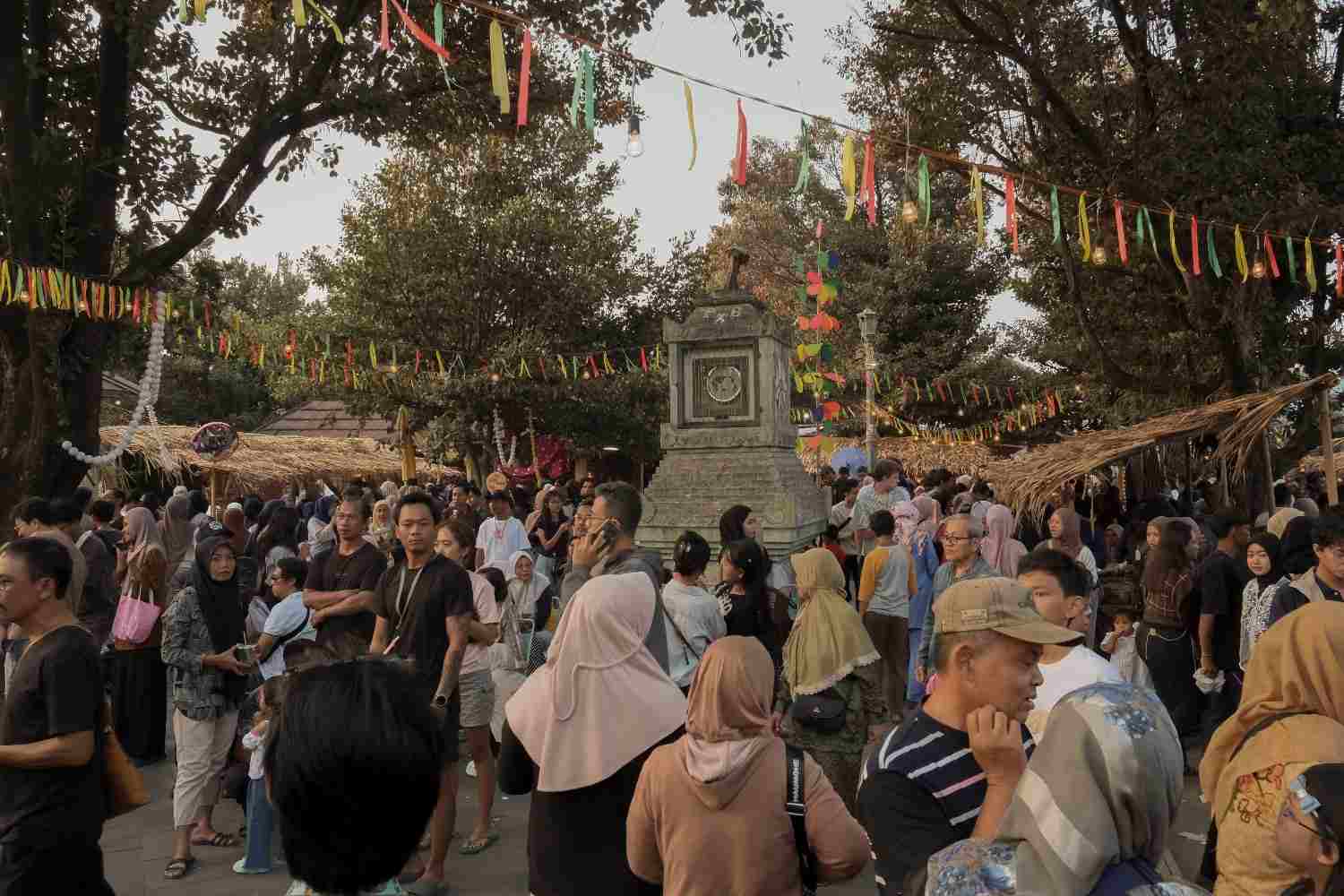
Kelanawisata.id, Bantul - The aroma of koyor satay and the sweetness of kipo waft through the afternoon breeze in the courtyard of the Mesjid Gedhe Mataram in Kotagede. Tens of thousands of people walked slowly among the bamboo stalls, carrying small woven baskets and occasionally stopping to buy nearly extinct culinary delights, marking the peak of the 2026 Pasar Lawas Mataram.
This annual three-day event, held from September 25–27, 2026, recorded a fantastic number of visitors. An estimated 60,000 tourists from all over the region flocked to this historic area. More than just an ordinary market, this event served as a space for the residents of Jagalan Village to showcase their rich heritage of traditional cuisine and children’s toys—items now hard to find in modern markets.
The Philosophy of Leadership in a Community Celebration
This year, the organizing committee adopted a theme rich in profound meaning: “Momong, Momor, Momot.” This concept is not merely a slogan but a crystallization of Javanese leadership philosophy applied in social interactions at the market.
Fauzan Al Bayhaqi (chairman of the 2026 Pasar Lawas Mataram) explained that “Momong” means to nurture or care for, “Momor” symbolizes a place to meet and interact, while “Momot” represents a space capable of accommodating various aspirations. Through this theme, the Pasar Lawas Mataram is expected to serve as an emotional bridge between vendors, the organizing committee, and visitors.
Sold Out in an Instant: Lemonade and Red Eggs Steal the Show
The visitors’ enthusiasm was clearly evident from the piles of merchandise that were quickly dwindling. Agus Podhang Mas, one of the event’s founders and a vendor there, expressed his amazement at the public’s overwhelming response. All 1,600 bottles of lemonade provided were sold out completely. A similar fate befell the stock of “endog abang”—the red eggs typical of the Sekaten festival—with 750 eggs sold out before the event ended.
The scene on the third day showed a similar phenomenon at nearly every stall. Most food vendors had already begun packing up their empty containers by late afternoon because the goods they brought had been completely snapped up by tourists longing for the flavors of the past.
Total revenue from the three-day event amounted to more than half a billion rupiah, or Rp586,245,000. With snack prices ranging from Rp3,000 to Rp15,000, a variety of culinary delights sold out by the third day of the event.
A Commitment to Sustainability in a Historic Setting
One of the most striking aspects of this year’s event was the organizing committee’s firm commitment to minimizing plastic waste. Instead, more than 2.546 bamboo baskets, or “kreneng,” were provided as the primary shopping containers for visitors.
This step was taken to ensure that the cultural festivities do not leave a burden on the environment. Fauzan Al Bayhaqi emphasized that this eco-friendly shopping campaign is part of their efforts to preserve the sanctity and cleanliness of the Masjid Gedhe Mataram area, while also educating the public about sustainable living through traditional methods.


