The Varieties of Javanese House Types in Kotagede

kelanawisata/contributors
|
01 Oktober 2026
|
5x Dilihat
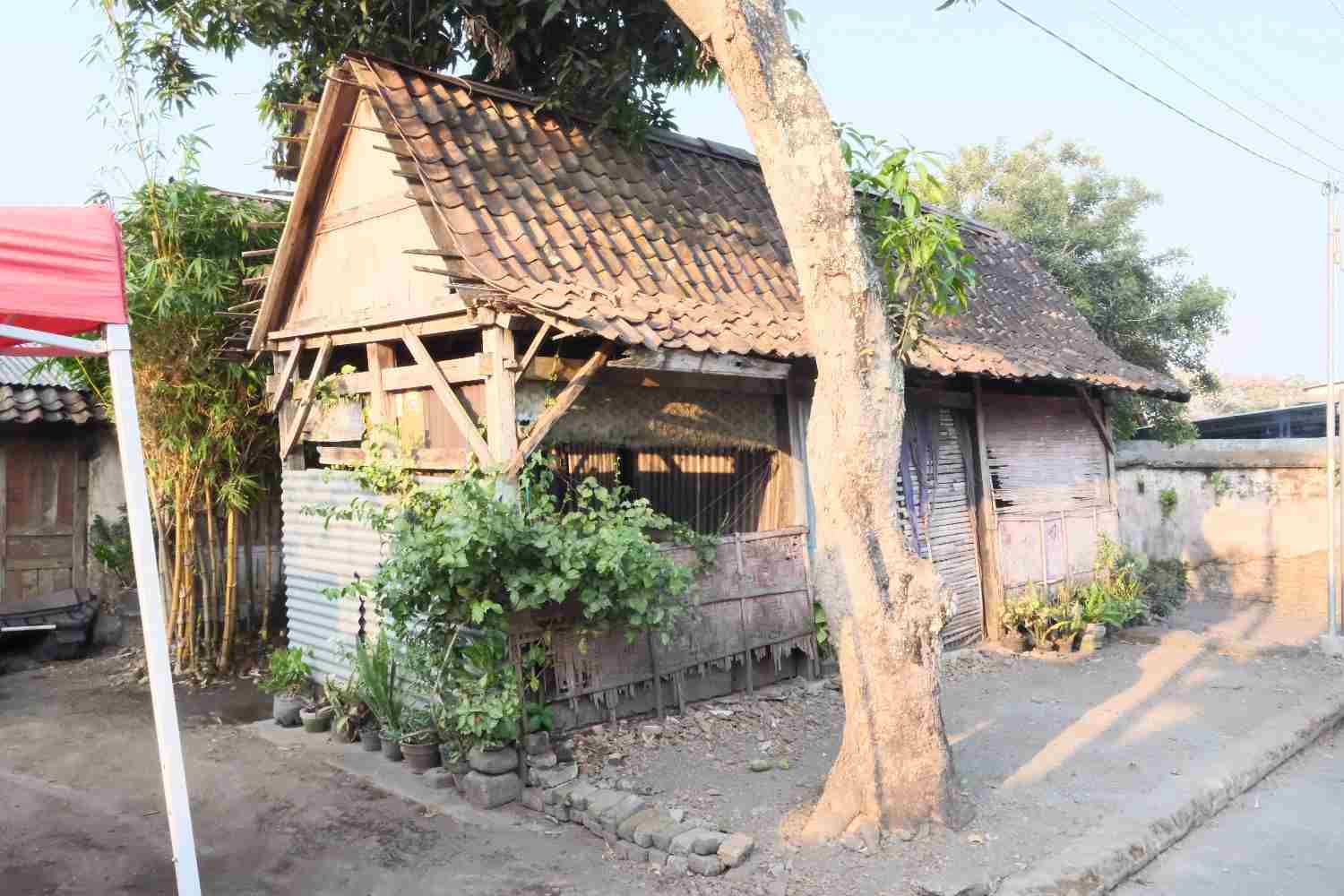
Kelanawisata.id, Yogyakarta - Kotagede is one of the historic districts in Yogyakarta, rich in Javanese culture and traditional architecture. One form of cultural heritage still found in this area is the diversity of traditional Javanese house styles. Each house style has distinct characteristics and functions, and in the past, they reflected the social status of their owners.
Some of the house types found in the Kotagede area include the Panggampe, Omah Kampung, Limasan, Joglo, and Tajug. This diversity demonstrates that residential architecture is not merely about housing needs but is also deeply intertwined with the social and cultural life of the community—each style closely tied to construction techniques, functions, and profound philosophical principles.
In terms of social hierarchy, the traditional house styles in Kotagede can be ranked in the following order: Joglo, Limasan, Omah Kampung, and finally Panggampe. The Joglo occupies the highest rank because its construction requires greater technical skill and resources. A Joglo is a residence that not just anyone can own. Houses with such grand designs are typically owned by the nobility or those who are very well-off economically.
Below the Joglo is the Limasan. As its name suggests, the Limasan (derived from the word “Limas,” meaning pyramid) is a building with a four-sided roof and a simpler structure than the Joglo. Next is the Omah Kampung, the most common type of house found in the community. This type of house is owned by Javanese people who are generally not of noble descent. This design is considered more economical and flexible in terms of construction and family use. This simplicity makes the Omah Kampung the choice for those who prioritize practicality and affordability.
The Panggampe represents the simplest form in every aspect. This structure typically features a rectangular floor plan and is supported by four to eight posts. Its single-sloped roof allows for variations in design to accommodate more complex needs. These differences in form not only reflect architectural diversity but can also indicate the social strata or status of the homeowner within society during a specific period.
In addition to these four forms, there is a type of building called the Tajug. Unlike the others, houses with this pointed-roof design are primarily used as places of worship or buildings with religious functions. The distinctive shape of the Tajug roof makes it easily distinguishable from other traditional house styles.
Thus, the diversity of traditional architecture in Kotagede not only showcases the beauty of Javanese buildings but also provides insight into their functions, as well as the social life and culture of the community. The presence of the joglo, limasan, omah kampung, panggampe, and tajug is an integral part of Kotagede’s character—one that is important to study and preserve as cultural heritage.


