Traces of Yogyakarta’s Old Town Heritage: A Dutch Settlement Preserved to This Day

kelanawisata/contributors
|
24 September 2026
|
5x Dilihat
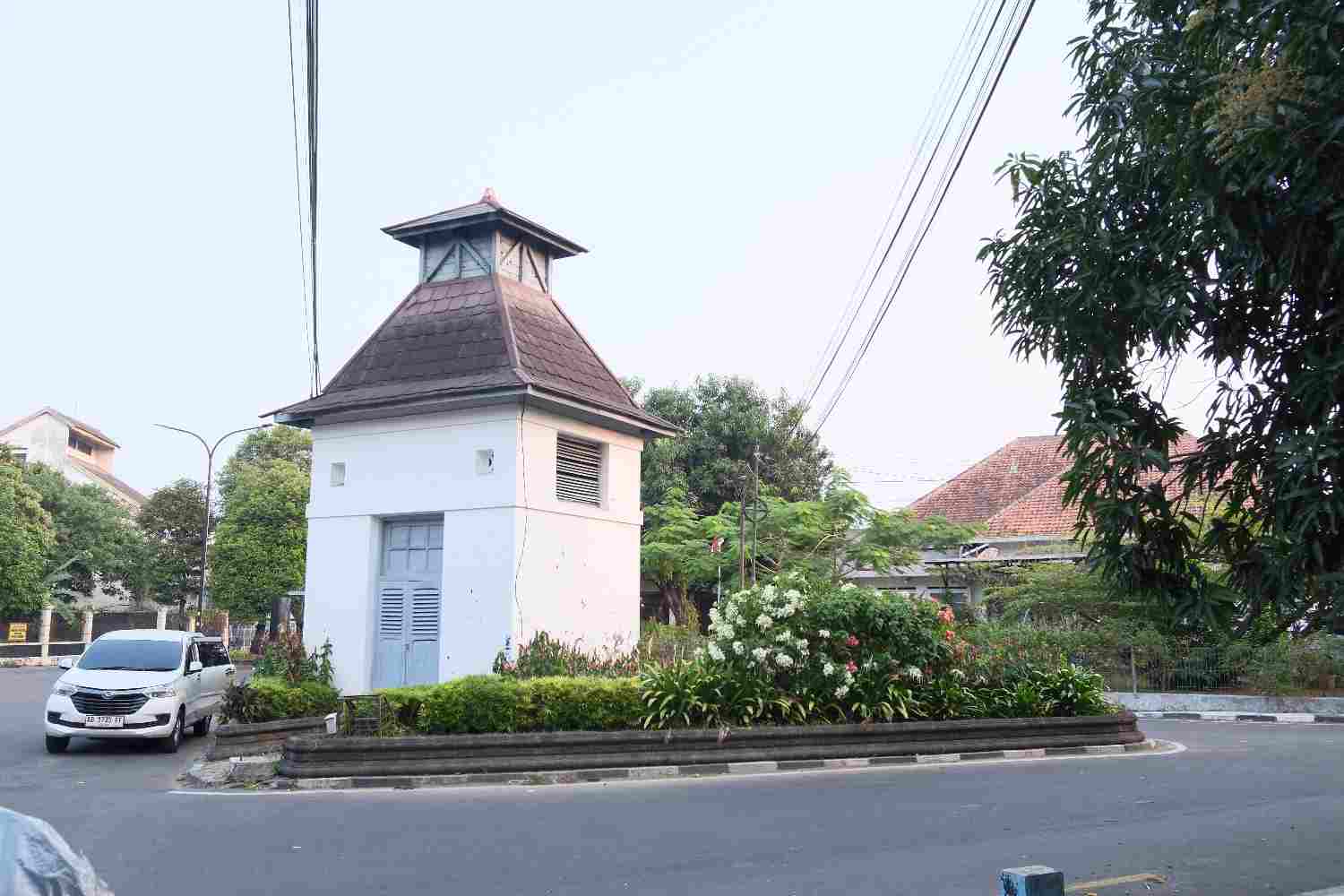
Kelanawisata.id, Yogyakarta - Kotabaru is one of Yogyakarta’s historic districts with a long history spanning from the colonial era to the struggle for independence. Development of Kotabaru began around 1917. As the existing settlements became increasingly crowded, Kotabaru was designated as a new area for the European community. The selected land was located east of the Code River and later became known as Nieuwe Wijk, or “new district.” Its development proceeded in stages until around 1920.
Kotabaru was designed as a planned residential area based on the “garden city” concept. The area featured wide streets, parks, open spaces, residential homes, as well as educational, healthcare, and religious facilities, along with an electrical grid. Several significant buildings that still stand today include St. Anthony’s Church, the HKBP Church, St. Ignatius College, and various school buildings and homes in the Indis style.
Major changes occurred when Japan occupied Yogyakarta in 1942. A number of buildings in Kotabaru that had previously been used by the European community were subsequently taken over by the Japanese government. The St. Anthony Church complex and surrounding buildings also underwent changes in function, including the use of several buildings for military purposes and ammunition storage.
Like St. Anthony’s Church, this church was once used as a Japanese military office. Meanwhile, several other buildings within the complex were used to store bullets and ammunition. In fact, the church building was once used as an ammunition depot and was also associated with the detention of Dutch-European residents under the Japanese internment system.
However, amid this takeover, the people of Kotabaru attempted to disarm the Japanese troops who still controlled the military headquarters in Kotabaru. The situation culminated in a resistance by the people on October 7, 1945, when the people and youth of Yogyakarta stormed the Japanese Kido Butai headquarters after negotiations for the surrender of weapons failed. The battle ended with the surrender of Japanese forces, the seizure of their weapons, and the deaths of 21 Indonesian fighters. This event is now remembered as the Kotabaru Raid/Battle.


