The Fort Collapsed During the Geger Sepehi

Kelanawisata/frm
|
18 September 2026
|
1x Dilihat
Kelanawisata.id, Yogyakarta - Geger Sepehi was a significant story in the history of the Sultanate of Yogyakarta that took place on June 19–20, 1812. This tragedy occurred when British forces attacked the Yogyakarta Palace during the reign of Sultan Hamengku Buwono II. The name “Sepehi” derives from the Sepoy troops—Indian soldiers under British command who participated in the attack.
The conflict stemmed from political tensions between Sultan Hamengku Buwono II and the British administration in Java. The Sultan was known for his firm stance and his refusal to tolerate British interference in the affairs of the Sultanate. Tensions escalated until the British finally deployed troops to attack the Yogyakarta Palace.
On June 19, 1812, British and Sepoy troops began attacking the palace grounds. The battle was fierce, and eventually, the Yogyakarta Palace’s defenses were breached. On June 20, 1812, the palace fell to British forces. Several parts of the palace were damaged, and various valuable objects and documents belonging to the sultanate were looted.
After the palace was seized, Sultan Hamengku Buwono II was deposed and exiled. The British then installed Sultan Hamengku Buwono III as the ruler of Yogyakarta. This event also led to major changes in the political structure of the Sultanate, including increased British interference in government affairs.
The Geger Sepehi is not merely a record of a war but also a pivotal moment illustrating the erosion of the Yogyakarta Sultanate’s sovereignty under colonial pressure. Its impact on politics, governance, and palace life continued to be felt in the subsequent historical development of Yogyakarta.
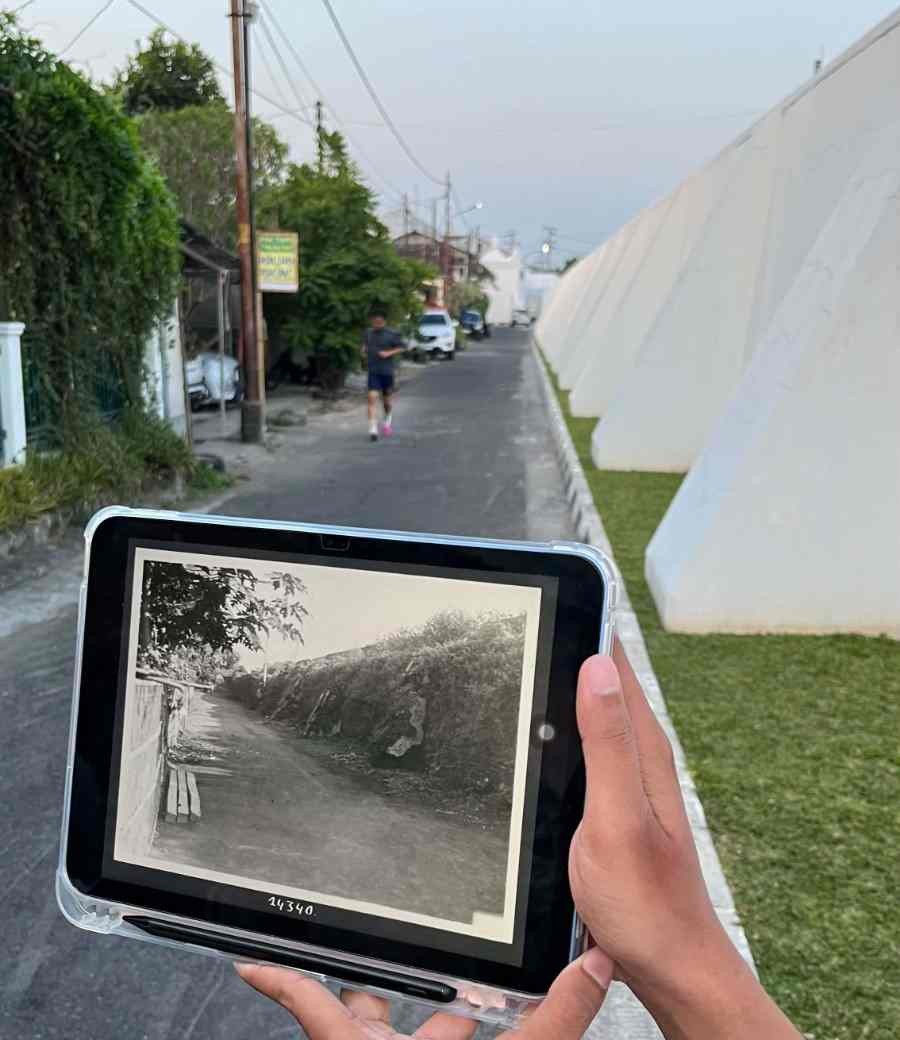
On the other hand, a fortress collapsed during the war. The northern eastern section of the Baluwarti Fortress of the Yogyakarta Palace collapsed. Although cannons had been positioned at every corner of the fortress, an attack on the northern eastern side was inevitable. There was a gunpowder storage building for the cannons at the Tanjung Anom Fortress Corner.
In addition, a brigade of Mangkunegaran soldiers fought alongside the British colonial forces. They advanced as far as the Tamansari area. The British colonial strategy of surrounding the palace fortress on horseback proved successful. With the fall of the fortress, the British ultimately intervened in the affairs of the Palace.


