The 2026 Saparan Bekakak Festival Was a Grand Success; the Tradition Inherited from Sri Sultan HB I Continues to Be Preserved by the People of Ambarketawang

Kelanawisata/frm
|
18 Juli 2026
|
106x Dilihat
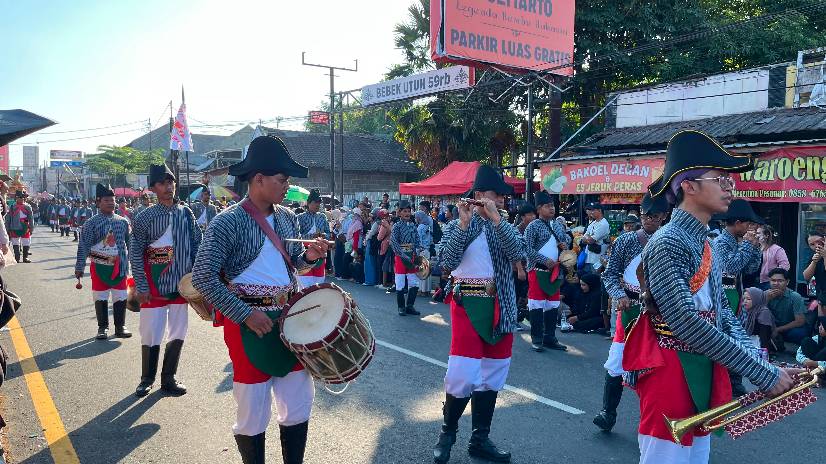
Kelanawisata.id, Sleman — The Saparan Bekakak Traditional Ceremony was once again successfully held on July 17, 2026, in Ambarketawang Village, Gamping Subdistrict, Sleman Regency. Thousands of people crowded the parade route and the ceremony site to witness this tradition, which has been passed down since the reign of Sri Sultan Hamengku Buwono I. To this day, Saparan Bekakak remains a vibrant cultural tradition that the community continues to preserve as a symbol of prayers for safety and protection from misfortune.
The Saparan Bekakak tradition has deep historical roots tied to the founding of the Sultanate of Yogyakarta. During the time when the seat of government was still located at the Ambarketawang Royal Residence, there lived a beloved royal servant couple of Sri Sultan Hamengku Buwono I: Ki Wirosuto and Nyi Wirosuto. Both were known as loyal servants who accompanied Prince Mangkubumi before and after the establishment of the Sultanate of Yogyakarta.
When Sri Sultan Hamengku Buwono I moved to the Yogyakarta Palace, Ki Wirosuto and Nyi Wirosuto chose to remain in Ambarketawang. However, a great tragedy later befell them. While working in the Gunung Gamping area, a landslide occurred, burying them both under limestone debris until they passed away. This event became a significant part of the history behind the origins of the Saparan Bekakak tradition.
Local residents believe that, following that incident, the Gunung Gamping area has frequently experienced disturbances linked to the appearance of supernatural beings. To pray for the safety and peace of the community, Sri Sultan Hamengku Buwono I subsequently ordered the residents to hold a selamatan ceremony. In this ritual, a bride and groom doll—known as a bekakak—is sacrificed as a symbolic substitute for a human sacrifice. This tradition has been passed down from generation to generation and continues to be held annually to this day.
In the 2026 event, Saparan Bekakak was held with great fanfare, involving 25 contingents representing various segments of the Ambarketawang community. The cultural procession featured a diverse array of participants, ranging from traditional warrior troops and the “jodhang bekakak”—who carried the ceremony’s main symbol—to performances of “genderuwo ogoh-ogoh,” which served as a major attraction for both locals and tourists.
Not only that, but various traditional arts groups also enlivened the procession by showcasing distinctive art forms that have flourished in Ambarketawang. The presence of these artists demonstrates that Saparan Bekakak is not merely a traditional ritual but also a space for cultural preservation that engages multiple generations of the community.
Throughout the event, the community enthusiastically participated in every activity. This tradition, which has been practiced for hundreds of years, serves as an important occasion to commemorate local history while strengthening the cultural identity of the Ambarketawang community. The values of togetherness, mutual cooperation, and respect for ancestral heritage were clearly evident in the residents’ involvement at every stage of the ceremony.
More than just a cultural celebration, Saparan Bekakak serves as a reminder of the connection between people, history, and the environment that shapes the lives of the local community. Through the symbol of the bekakak and the ceremonial procession that continues to be preserved, the people of Ambarketawang uphold their ancestors’ message regarding the importance of praying for safety, maintaining harmony in life, and honoring past events that are part of their region’s history.
The success of the 2026 Saparan Bekakak once again demonstrates that local traditions still hold a strong place amid the changing times. With the support of the community, cultural practitioners, and the local government, this tradition—which dates back to the reign of Sri Sultan Hamengku Buwono I—continues to thrive as one of the important cultural heritages that enriches Yogyakarta’s cultural heritage.


