Disaster Preparedness Workshop at Tourist Destinations and Outreach on Ministry of Tourism Regulation No. 6 of 2025

Kelanawisata/frm
|
29 November 2025
|
462x Dilihat
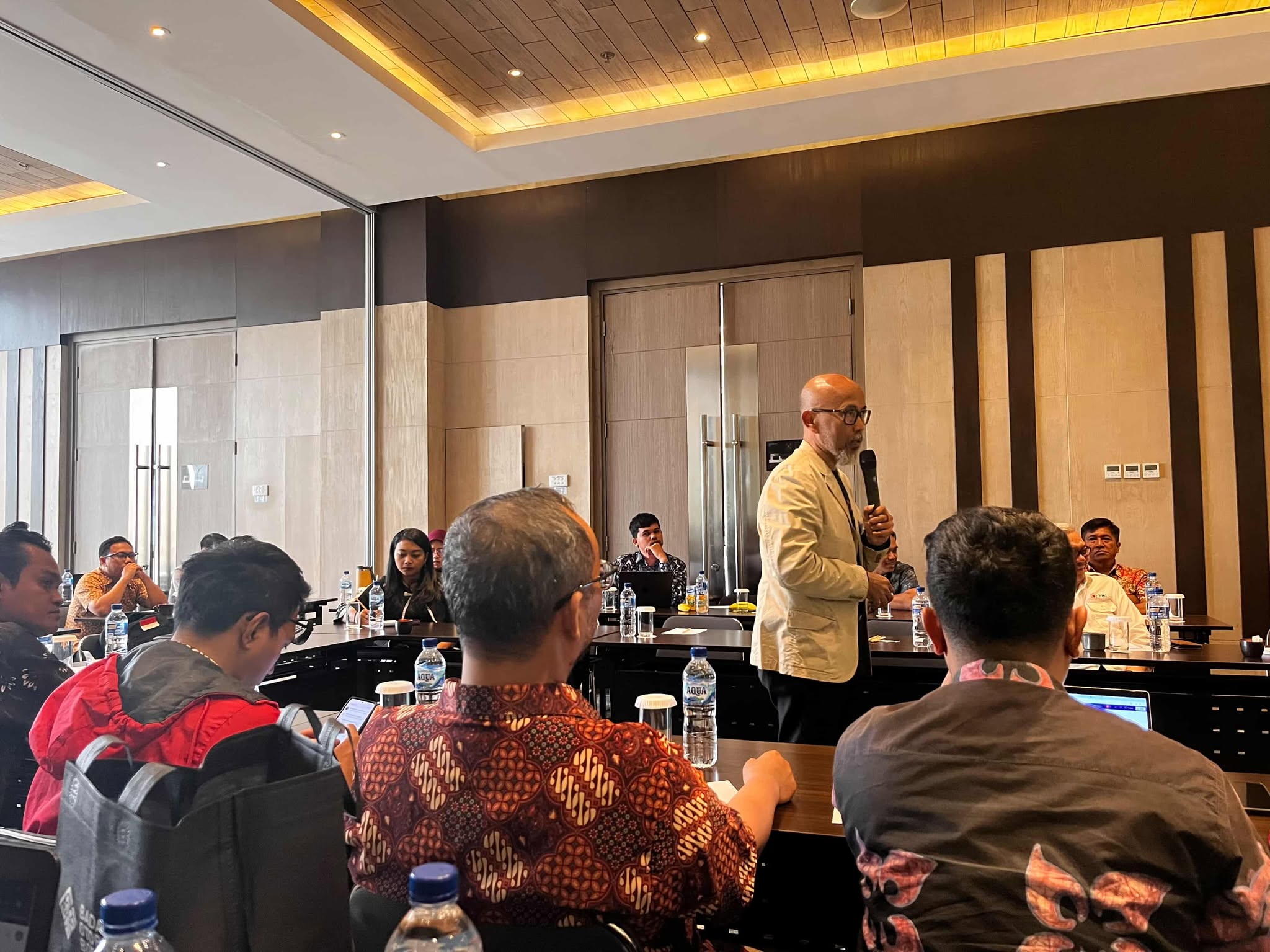
Kelanawisata.id, Yogyakarta - BPOB held a Workshop on Destination Management in the Borobudur Tourism Area (November 28). The second session featured Mr. Fadjar Hutomo, who presented on disaster preparedness at tourist destinations and provided an overview of new regulations regarding tourism business standards under Minister of Tourism Regulation No. 6 of 2025.
The increasing risk of natural and non-natural disasters threatens the sustainability of the tourism sector. A number of incidents, ranging from the fall of a Brazilian climber on Mount Rinjani to the worst flash floods in Denpasar and the drought crisis in Yogyakarta, demonstrate the need for more systematic risk management.
During the event, Fadjar also explained Tourism Crisis Management (TCM), which consists of the preparedness, emergency response, and recovery phases. The government is encouraging the establishment of tourism crisis centers within TICs, the development of mitigation plans, and the enhancement of human resource capacity.
In addition to disaster-related issues, Fadjar noted that the new regulation, Ministry of Tourism Regulation No. 6/2025, has been issued. Key points in this regulation include business activity standards, supervision of the Risk-Based Business Licensing (PBBR) system, follow-up on supervision results, and administrative sanctions. This aligns the tourism sector with the Risk-Based Business Licensing (PBBR) framework.
Through this Ministry of Tourism Regulation, the number of official tourism KBLI codes has been adjusted from 88 to 77, including the development of 24 new business standards resulting from changes in risk levels. Business operators are required to employ personnel with competency certifications and conduct risk assessments for tourism activities. The Ministry of Tourism hopes that the implementation of these new regulations will enhance safety, service quality, and the sustainability of tourism destinations.
The event continued with a panel discussion. One participant asked about the “dark side of tourism” and the radicalization of tourism. Then, Mr. Fadjar presented an intriguing concept regarding Islamic Neuroeconomics. This concept addresses self-protection and the protection of the soul, intellect, eyes, and piety as tools for deradicalizing tourism.


