Baros Mangrove Canoe Tour: Exploring Nature While Learning About the Importance of Conservation

kelanawisata/contributors
|
06 November 2026
|
24x Dilihat
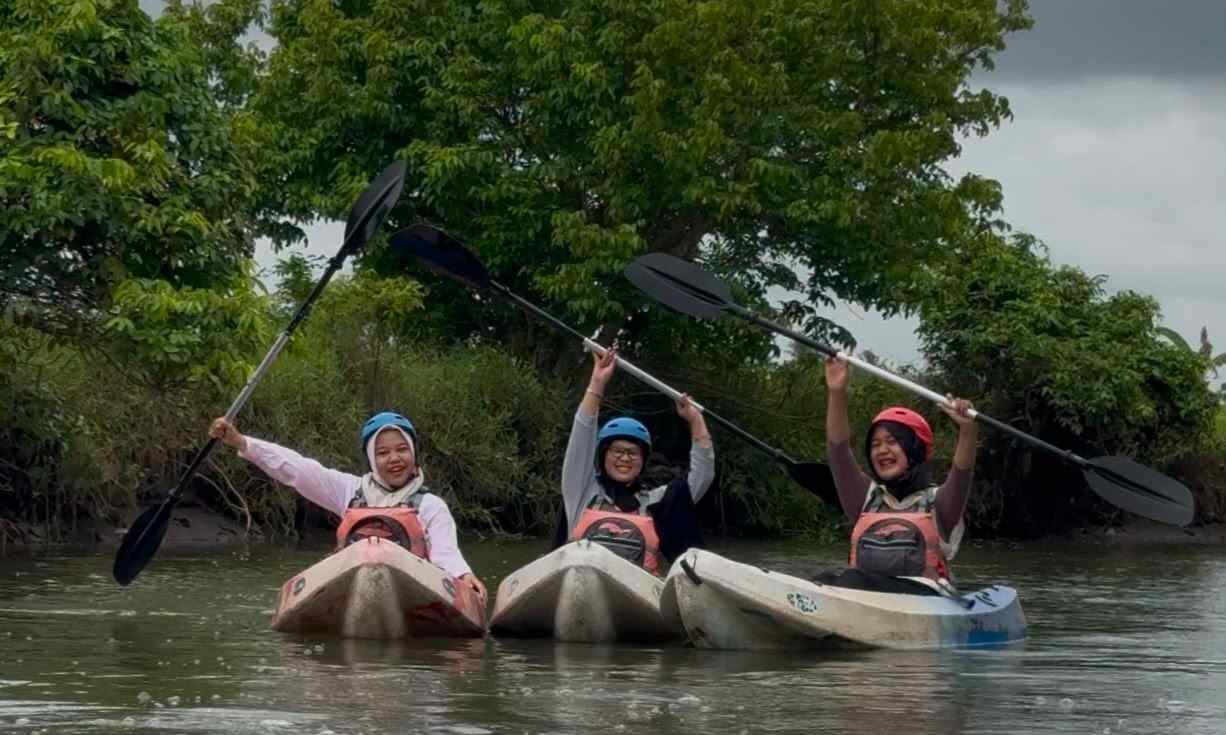
Kelanawisata.id, Bantul - The Baros Mangrove Forest is an ecotourism destination located in Baros Hamlet, Tirtohargo Village, Kretek Subdistrict, Bantul Regency, Yogyakarta. This area serves as a model of successful environmental conservation that goes hand in hand with community-based tourism development.
What began as the estuary of the Opak River—an area damaged by coastal erosion and flooding—has now developed into a lush mangrove forest that holds both ecological and tourism value.
Environmental restoration efforts in this area began in 2003 through the planting of mangrove seedlings, initiated by the NGO Relung Yogyakarta in collaboration with the local community group KP2B (Baros Youth Association). Various types of mangrove plants, such as Rhizophora, Avicennia, Bruguiera, and Nypa, were planted to restore the coastal environment.
Over time, the mangrove vegetation grew denser and served as a natural barrier against coastal erosion and seawater intrusion. The area was subsequently designated as part of the Coastal Park Conservation Area in 2014.
In addition to its environmental protection functions, the Baros Mangrove Forest is home to fascinating biodiversity. Covering an area of more than 4 hectares, this forest is home to various types of mangrove vegetation as well as a habitat for a wide variety of coastal wildlife.
More than 40 bird species have been recorded in the area, including egrets, rock sparrows, uca birds, and sea eagles. In addition to birds, the waters around the mangrove roots are home to various aquatic life, such as fish and mangrove crabs. The presence of these diverse species underscores the importance of mangrove areas in maintaining the balance of coastal ecosystems.
The appeal of the Baros Mangrove Forest is further enhanced by a variety of tourist activities available to visitors. One such activity is canoeing down the Opak River through the mangrove forest. This approximately 1.5-kilometer journey offers tourists the opportunity to enjoy the natural scenery from the river’s perspective.
Additionally, visitors can participate in mangrove planting activities as a hands-on introduction to environmental conservation efforts.
Through a blend of natural beauty, tourism, and educational activities, the Baros Mangrove Forest serves as an example of a destination that is not only focused on recreation but also prioritizes environmental conservation. Its existence demonstrates how an area that was once degraded can be developed into a conservation area that also provides benefits to the surrounding community.


