Tracing the History of Yogyakarta’s Oldest City: Sendang Seliran and the Panembahan Senopati Tomb Complex

Kelanawisata/frm
|
26 Desember 2025
|
1014x Dilihat
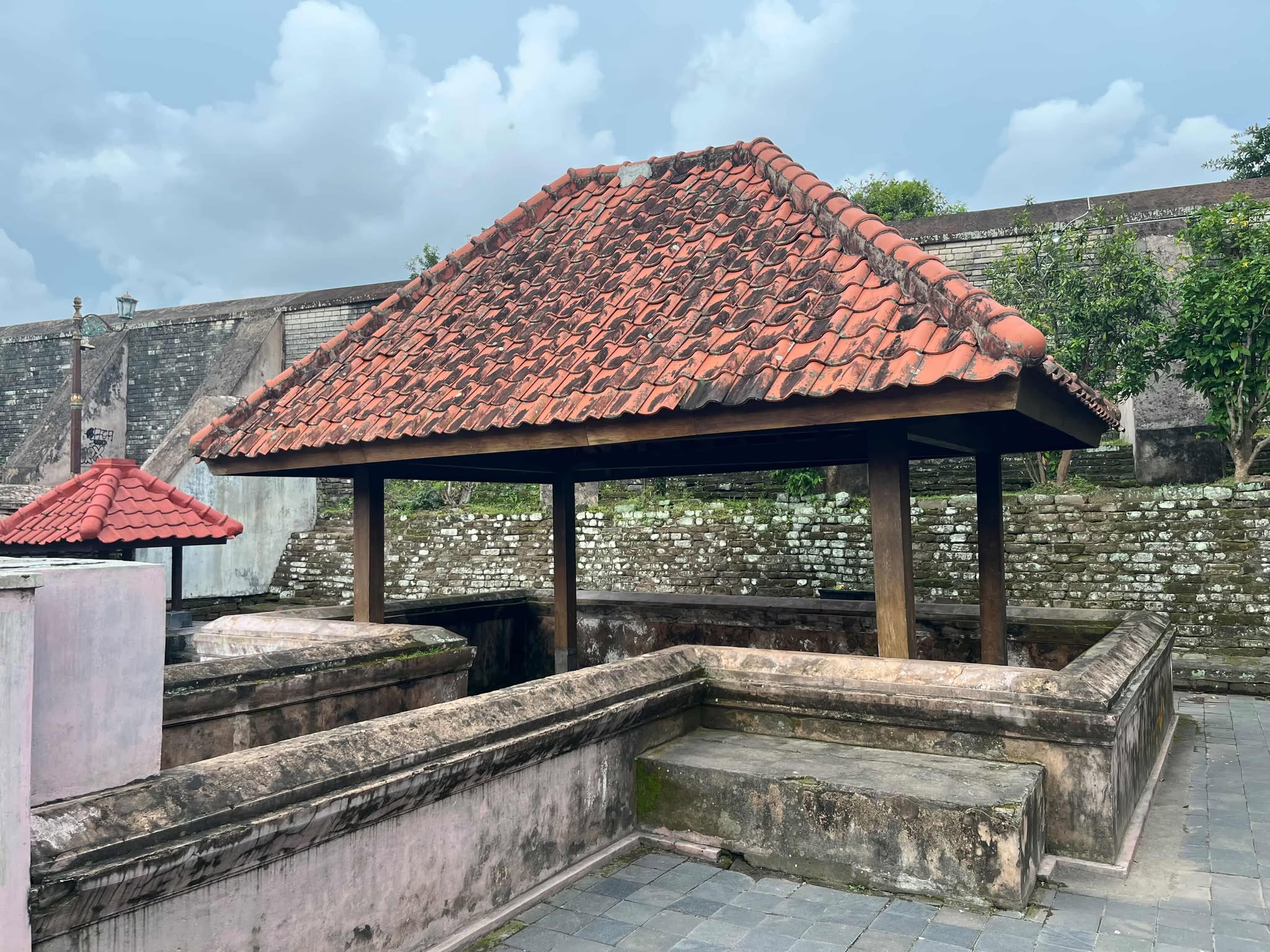
Kelanawisata.id, Bantul - If you’re visiting Jogja and tired of the hustle and bustle of Malioboro, try heading a little south, specifically to the legendary Kotagede area. Behind the narrow, picturesque alleys and rows of silver shops lies a hidden spot with a magical yet soothing atmosphere.
A stroll through Yogyakarta’s oldest city wouldn’t be complete without a visit to the Panembahan Senopati Mausoleum Complex. Within this area, you’ll find the mausoleum adjacent to the Masjid Gedhe Mataram and a bathing area on the southern side.
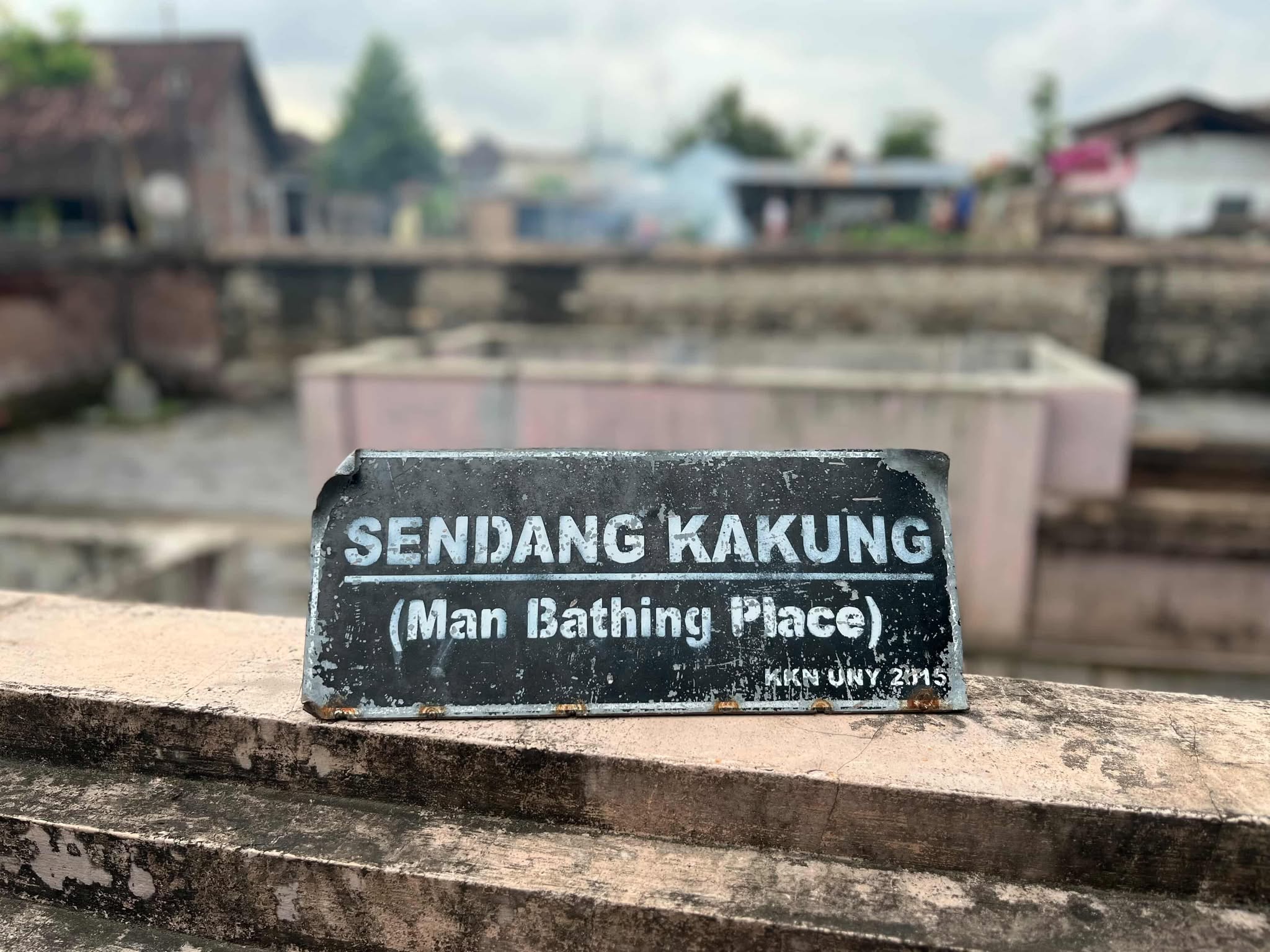
Sendang Seliran is situated on the southern side of the cemetery complex. This area comprises Sendang Seliran Kakung (the men’s bathing area) and Sendang Seliran Estri (the women’s bathing area). Additionally, there is a pond said to hold a myth within it. The pond in Sendang Kakung is home to white catfish. In Sendang Estri, there are freshwater turtles or bulus. However, the turtle has since died and was buried near the stairs.
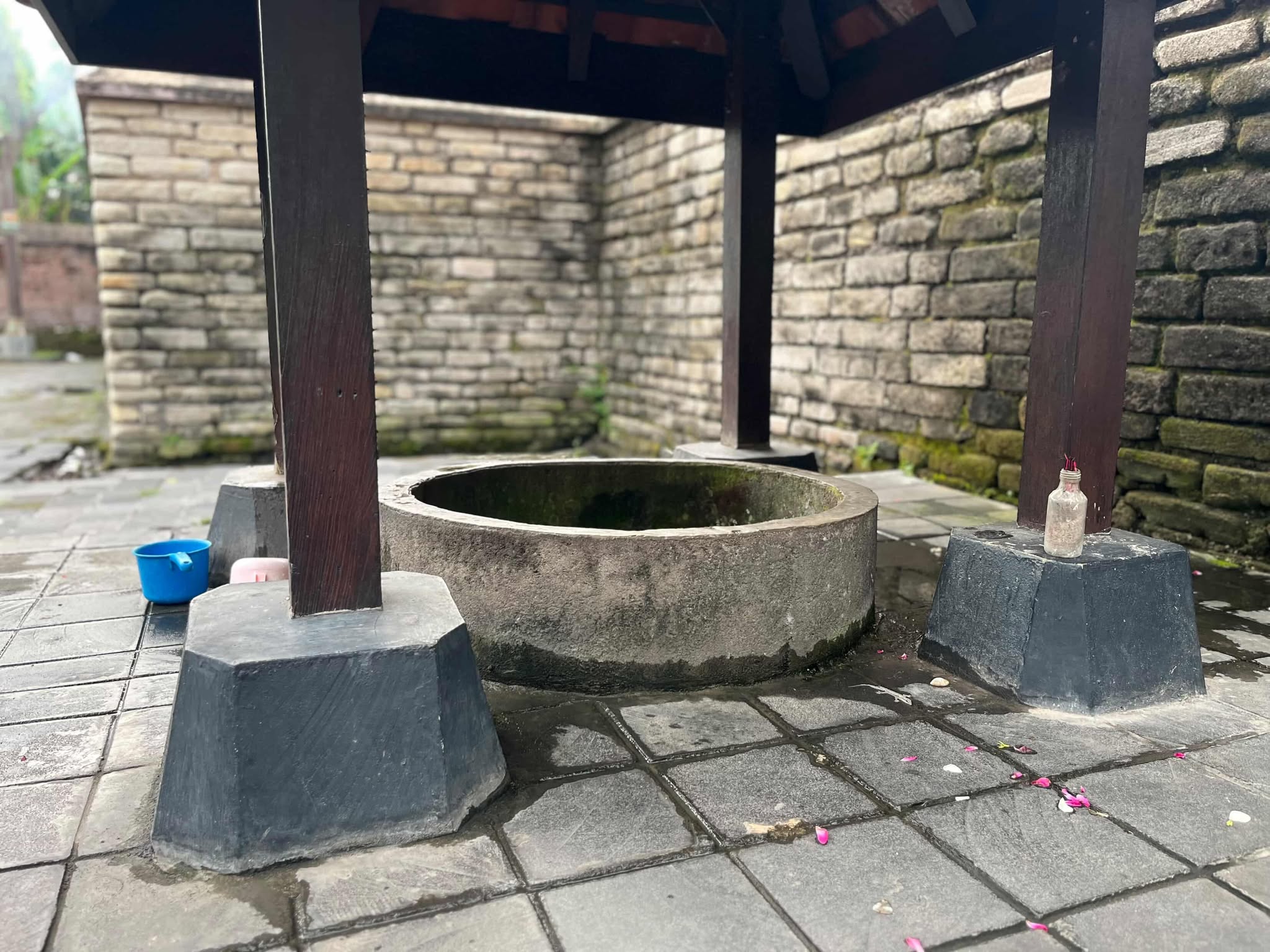
Besides the bathing area, there is a well that serves as a spring. This well is located near Sendang Seliran Kakung and has clear water. Many people call it holy water, and tourists often use it to wash their faces or rinse their bodies. Water flows from the spring in the well to Sendang Kakung.
This spring was built directly by Panembahan Senopati, the founder of the Islamic Mataram Kingdom. It was formerly used for purification before performing prayers at the Great Mosque of Mataram. Every time the month of Rejeb (Rajab) arrives, on Sunday Wage of the Javanese calendar, there is the Nawu tradition. This tradition is an event to cleanse the spring in preparation for the holy month of Pasa (Ramadan).
According to Kundha Kabudayan Yogyakarta, there are three stages in the Nawu Sendang Seliran ceremony. The first stage involves preparing the ubo rampe (offerings), which consist of a mountain-shaped arrangement of a prince and a princess, a replica of the Great Mosque of Mataram, and a siwur or ladle for cleansing the spring. The second stage is the Kirab procession, which begins in the village of Jagalan and proceeds to the Masjid Gedhe Mataram complex, carrying the various offerings that have been prepared. The third stage involves the symbolic handover of the siwur by the Village Head of Jagalan to the Abdi Dalem of the Yogyakarta Sultanate and the Surakarta Sunanate, who then use it to draw water from Sendang Seliran.
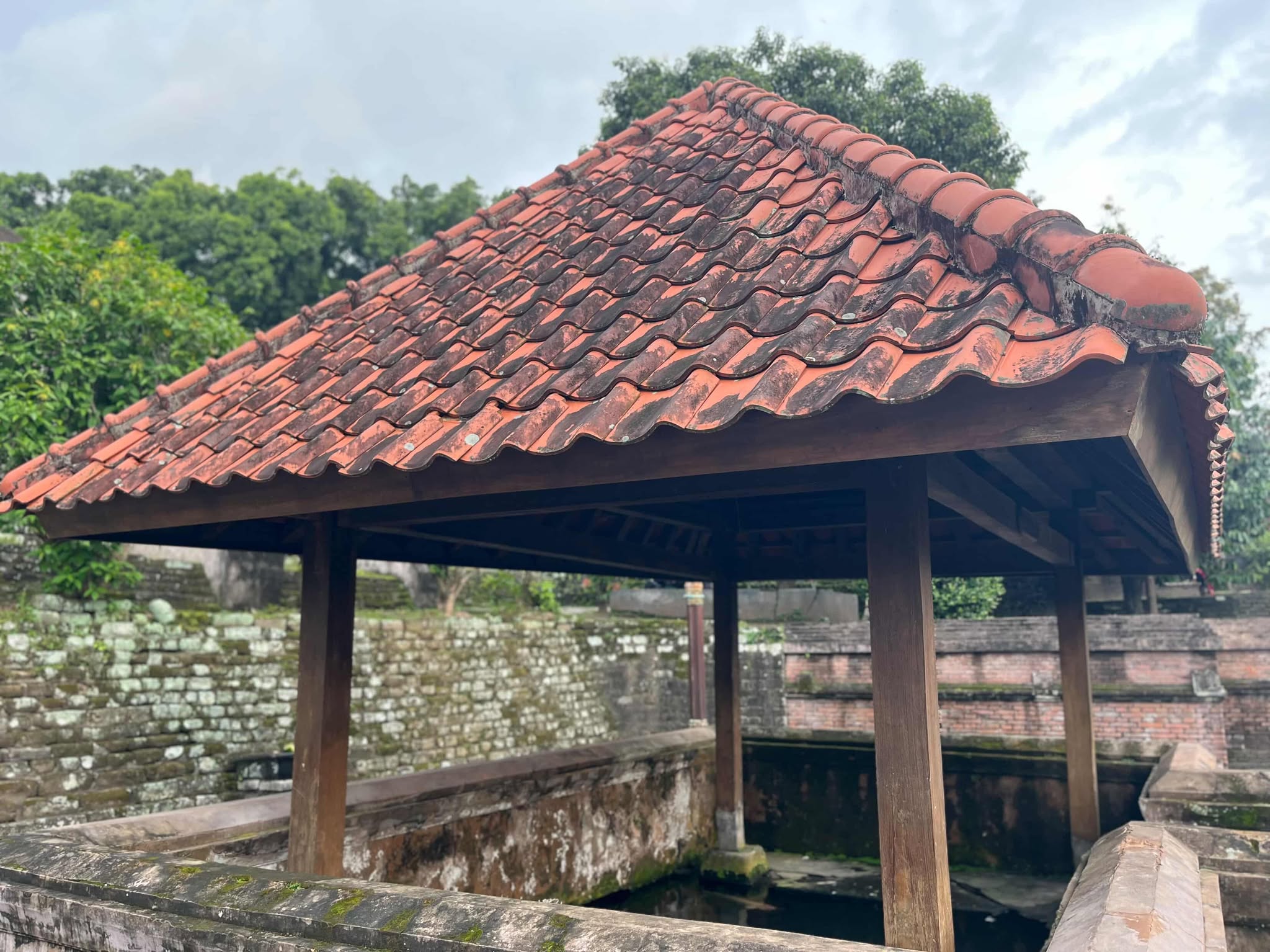
The experience of walking through the Kotagede Cemetery area can be a new adventure for travelers. “It’s a new experience for me because that area is a royal cemetery, so the atmosphere feels sacred, and I also learned a lot of history there about the former Islamic Mataram Kingdom,” said Lisa, a tourist at Sendang Seliran.
Travelers can reach the Sendang Seliran area using public or private transportation. The Kotagede area is 6 kilometers from the center of Yogyakarta. The location is situated southeast of the city center. If you’d like to visit, you can set your destination to the Gedhe Mataram Mosque Complex in Kotagede.


