Tracing the Footsteps of History’s Struggle: The Rumah Sandi Museum in Kulon Progo Bears Witness

Kelanawisata/frm
|
11 Februari 2026
|
697x Dilihat
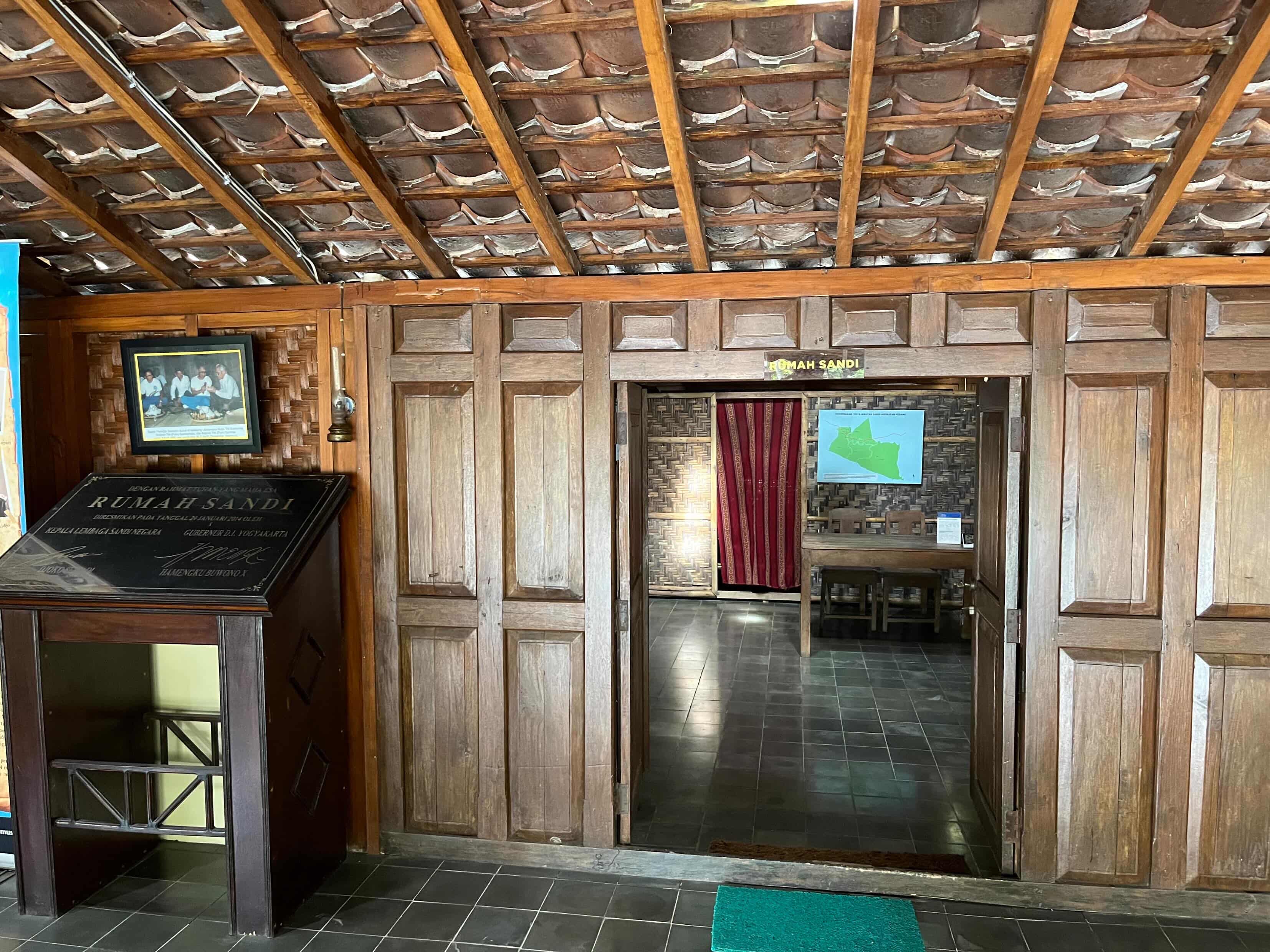
Kelanawisata.id, Kulon Progo - When exploring lesser-known historical aspects often overlooked by many tourists, Rumah Sandi in Dukuh Hamlet, Purwoharjo Village, Samigaluh, offers a unique experience. This traditional house, featuring limasan-style architecture, stands as a testament to Indonesia’s intellectual struggle during the Second Dutch Military Aggression in the late 1940s and serves as a significant representation of the nation’s cryptographic history.
The history of Rumah Sandi began on December 19, 1948, when the Dutch launched their Second Military Aggression in Yogyakarta. In an emergency, the then-Head of the National Cipher Agency, Roebiono Kertopati, ordered cipher personnel to evacuate important documents from the cipher office located in the city center. Several cryptographic personnel, such as Lieutenant Soedijatmo and Lieutenant Soemarkidjo, chose to hide in the Menoreh hills in Kulon Progo and used a house belonging to a man named Merto Setomo as an emergency cryptographic operations base.
This simple building, now known as the Code House, holds immense historical significance. At the time, this limasan-style house served as a base for receiving, processing, and distributing coded messages intended for the military and Indonesian government leaders. The strategic role of this site helped safeguard the flow of critical information while the government faced direct enemy attacks, and ultimately continued to support the struggle to defend the nation’s independence.
This site also served as a hub for other key figures, such as the Republic of Indonesia’s Code Officers, particularly Lieutenant Soedijatmo and Lieutenant
Soemarkidjo. They were pivotal in handling intelligence information while ensuring secure communication during critical times. Consequently, the Code House is often referred to as a strategic and ingenious emergency code headquarters during the revolution.
The historical significance of the Code House extends beyond cryptographic activities; it also reflects the spirit of intellectual struggle that unfolded far from the front lines of battle. Here, visitors can witness crucial evidence of how secret communications served as the backbone of the national struggle’s strategy amid enemy pressure. This well-maintained building is regarded as part of the nation’s historical legacy of struggle, which must be preserved and introduced to younger generations.
Since the early 21st century, the Cipher House has been designated a historic site and is now managed by the National Cyber and Cryptography Agency (BSSN) as part of the Cipher Museum, which is also headquartered in Yogyakarta. These preservation efforts aim to create an educational space for the general public to understand the role of cryptography in Indonesian history and to attract interest in educational historical tourism.


